
The Biggest Challenges in Sportswear Today — And What Athletes Really Need

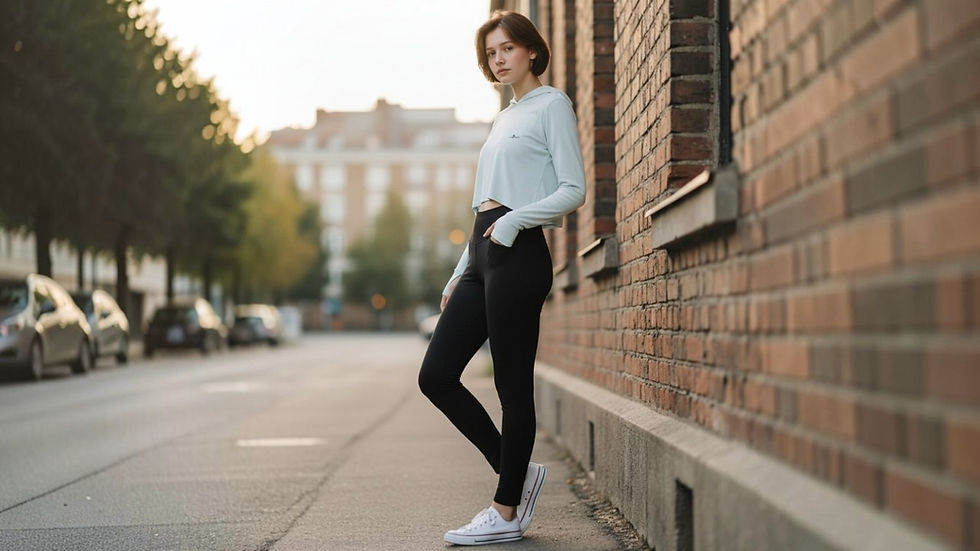
Sportswear has evolved dramatically over the last decade. What was once considered simple gym clothing has become a crucial part of performance, comfort, confidence, and even everyday lifestyle. Yet despite thousands of products entering the market every year, many athletes, fitness enthusiasts, runners, and everyday movers still face the same frustrations. The sportswear industry continues to battle challenges that directly affect the people wearing the products.
From inconsistent sizing to durability concerns and the growing demand for versatile apparel, the expectations of today's consumers are higher than ever.
Here's a closer look at the biggest sportswear challenges shaping the industry today.
1. Performance vs. Comfort
One of the most common complaints among activewear users is the trade-off between performance and comfort. Many garments are engineered to be highly technical but end up feeling restrictive during extended wear. Others prioritize softness but fail to perform during intense workouts. Modern consumers no longer want separate wardrobes for training, running, traveling, and daily life. They expect a single piece of clothing to handle multiple situations comfortably.
The challenge for sportswear brands is creating apparel that performs under pressure while remaining comfortable enough for all-day wear.
2. Durability Remains a Major Concern
Sportswear faces more stress than regular clothing. Repeated stretching, washing, sweating, and movement can quickly reveal weaknesses in fabric construction. Common issues include:
Fabric pilling
Shape loss after washing
Fading colors
Weak stitching
Shrinking materials
Consumers increasingly view sportswear as an investment rather than a disposable purchase. They expect products to maintain their quality over months and years of regular use. Brands that fail to deliver durability often struggle to build long-term customer loyalty.
3. Finding the Right Fit for Everyone
Sizing remains one of the industry's most persistent challenges. A medium in one brand can feel completely different from a medium in another. This inconsistency creates frustration, especially for online shoppers who cannot try products before purchasing. Consumers today expect:
Better size consistency
More body-inclusive designs
Improved fit guidance
Apparel designed around movement rather than static measurements
The future of sportswear will likely involve more precise fit systems and data-driven sizing solutions.
4. Breathability and Climate Adaptation
Athletes train in vastly different conditions. What works during a cool morning run may become uncomfortable during a humid afternoon workout. Sportswear must balance:
Moisture management
Airflow
Temperature regulation
Quick drying performance
As weather patterns become increasingly unpredictable, apparel that adapts to varying conditions becomes even more important. Consumers are looking for clothing that works across seasons rather than requiring multiple specialized purchases.
5. Balancing Style and Functionality
Sportswear is no longer limited to the gym. People wear activewear to coffee shops, airports, work-from-home environments, weekend outings and daily errands. This shift has created a new challenge for brands. Consumers want apparel that looks stylish enough for everyday wear while maintaining the performance features expected from technical sportswear.
The rise of sports fashion has blurred the line between athletic apparel and lifestyle clothing. Brands that successfully combine aesthetics with functionality are increasingly winning consumer attention.
6. Sustainability Without Compromising Quality
Sustainability has become one of the most discussed topics in the apparel industry. Consumers want brands to reduce environmental impact, but they also expect products to remain durable and high-performing. This creates a difficult balancing act. Sportswear brands must explore responsible sourcing, improved manufacturing practices, longer product lifecycles and reduced waste production. The challenge is ensuring sustainability efforts enhance product quality rather than compromise it.
7. The Rise of Multi-Purpose Sportswear
Today's consumers move differently than previous generations. A single day may include:
Morning walks
Gym sessions
Office work
Travel
Evening social activities
This lifestyle has increased demand for versatile sportswear. People no longer want clothing designed for only one activity. Instead, they seek apparel that transitions seamlessly between movement and everyday life. The brands that understand this shift are shaping the future of the industry.
8. Trust and Authenticity in a Crowded Market
The sportswear industry has become highly competitive. New brands appear every month, often making similar performance claims. As a result, consumers are becoming more selective. They increasingly value genuine product quality, transparent communication, consistent customer experience and long-term reliability.
Trust is becoming one of the most important differentiators in sportswear. Products must deliver on their promises—not just in marketing campaigns but in everyday use.
How Casmir Is Addressing These Challenges
Casmir was built around a simple idea: sportswear should support real life, not just workouts. As consumer expectations evolve, the sportswear industry faces increasing pressure to deliver comfort, durability, versatility, and style within a single product. Casmir has positioned itself around addressing these modern demands through a sports fashion approach that combines performance-driven design with everyday wearability.
Guided by the philosophy "Not Just Sportswear. Sports Fashion.", Casmir develops apparel designed for training sessions, runs, walks, travel, and daily movement alike. Key areas of focus include:
Premium comfort for extended wear
Clean and minimalist aesthetics
Performance-oriented construction
Versatility across multiple activities
Durable fabrics and reliable craftsmanship
Sports fashion suitable beyond the gym
The sportswear industry will continue to face new challenges as consumer lifestyles evolve. Casmir remains committed to adapting alongside those changes through ongoing product development, customer feedback, and a focus on creating apparel that fits modern movement because the future of sportswear is no longer defined solely by athletic performance. It is increasingly shaped by versatility, comfort, confidence, and the ability to move seamlessly through everyday life.


